
PHONE
FAX
GET IN TOUCH
Free Case Evaluation
Please fill out the form below to request your Free Case Evaluation.
Error: Contact form not found.
Results may vary depending on your particular facts and legal circumstances.
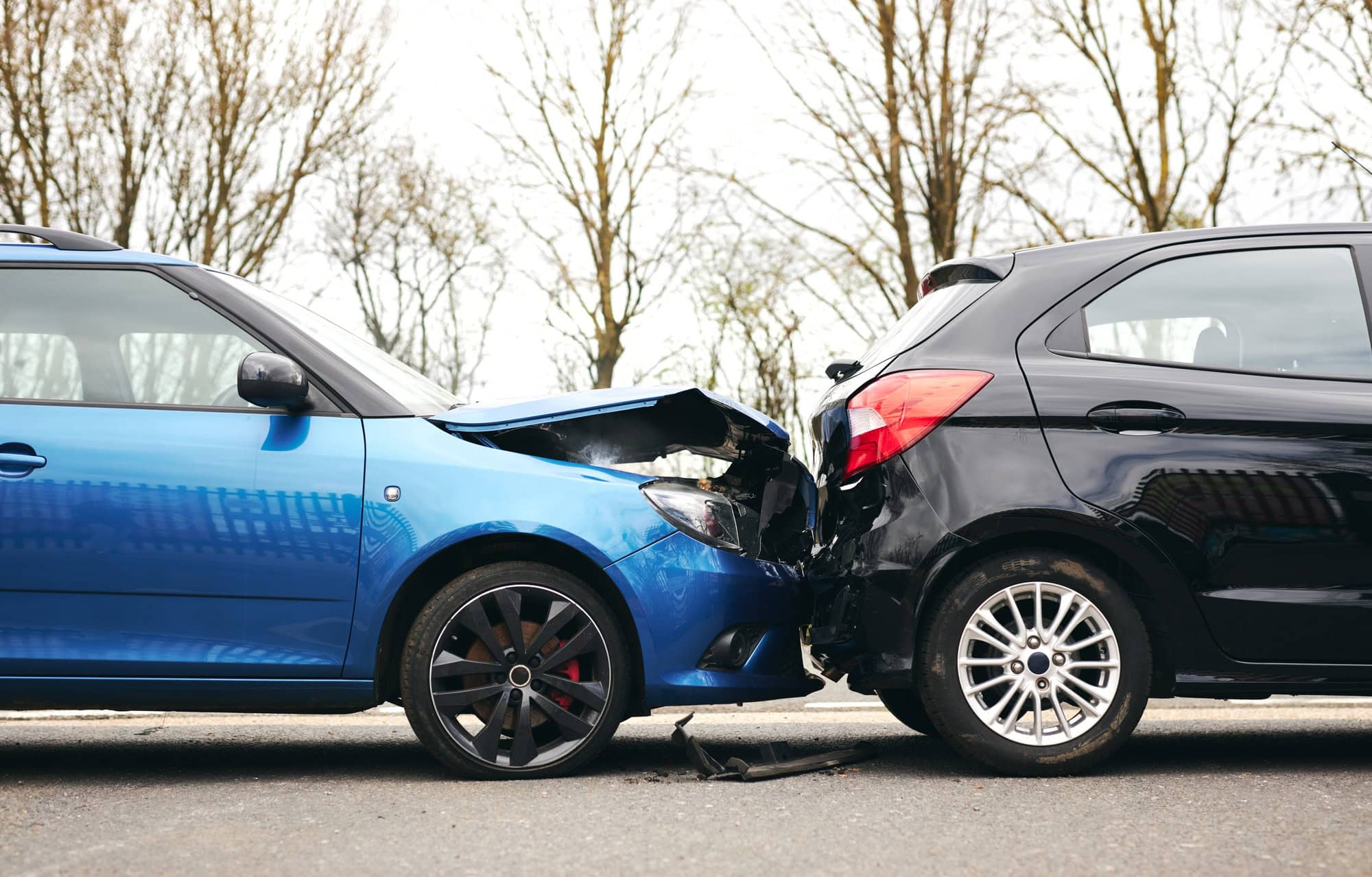
A car accident is one of the most stressful events a person can experience. In the immediate aftermath of a collision, panic, confusion, and adrenaline can cloud your judgment. For some drivers, this overwhelming surge of fear leads to a split-second, disastrous decision: driving away from the crash site.
In Indiana, leaving the scene of an accident—commonly referred to as a "hit-and-run"—is a serious offense. While many motorists assume that failing to stop is merely a traffic infraction or a minor misdemeanor, the reality is far more severe. Under Indiana law, fleeing the scene of a crash can quickly escalate into a high-level felony conviction, resulting in mandatory prison time, thousands of dollars in fines, and a permanently ruined criminal record.
If you or a loved one is facing allegations of leaving the scene of a car accident, understanding the specific legal mechanics of Indiana’s hit-and-run laws is critical. Below, we break down the duties of an Indiana driver, the thresholds that elevate a hit-and-run to a felony, and the legal defenses available to protect your freedom.
The Legal Duties of an Indiana Driver After a Crash
Indiana’s motor vehicle laws do not give drivers discretion regarding whether or not to stop after an accident. Under Indiana Code § 9-26-1-1.1, the operator of any motor vehicle involved in an accident is bound by strict statutory obligations.
If you are involved in a collision, you must immediately fulfill the following requirements:
1. Stop and Remain at the Scene
You must bring your vehicle to an immediate stop at the scene of the accident, or as close to the scene as safely possible, without obstructing traffic more than necessary.
2. Exchange Information
You are legally required to remain at the scene until you have provided your name, address, and vehicle registration number to any other person involved in the accident. Additionally, you must exhibit your driver’s license to anyone attending to the other vehicles.
3. Render Reasonable Assistance
If the accident involves injury or entrapment, you must provide "reasonable assistance" to the injured parties. This includes calling emergency services (911) or arranging for medical transportation if it is apparent that treatment is necessary or if the injured person requests it.
4. Notify Law Enforcement
If the accident results in injury, death, or significant property damage, you must immediately report the crash to the local police department, county sheriff’s office, or the nearest Indiana State Police post.
What If You Hit a Parked Car or Unattended Property?
These duties also apply if you strike an unoccupied vehicle or roadside property (such as a utility pole, mailbox, or fence). You must take reasonable steps to locate and notify the property owner. If you cannot locate them after a reasonable inquiry, you must contact law enforcement to provide your information. Failing to do so constitutes leaving the scene.
When Does Leaving the Scene Become a Felony in Indiana?
If a driver knowingly or intentionally fails to fulfill the duties outlined in IC § 9-26-1-1.1, they commit the crime of leaving the scene of an accident. The severity of the charge is determined by the consequences of the crash and the driver's criminal history.
While property-damage-only incidents are typically charged as misdemeanors, physical injuries and other aggravating factors will immediately elevate the offense to a felony.
The Misdemeanor Thresholds
- Class B Misdemeanor: If the accident results only in property damage (including damage to another vehicle or unattended property) and the driver flees, it is a Class B misdemeanor. This carries a penalty of up to 180 days in jail and fines of up to $1,000.
- Class A Misdemeanor: If the accident results in basic bodily injury to another person (such as minor cuts, bruises, or temporary pain) and the driver leaves the scene, the charge rises to a Class A misdemeanor. This is punishable by up to one year in jail and a fine of up to $5,000.
Level 6 Felony Hit-and-Run
A hit-and-run charge becomes a Level 6 felony under two specific conditions outlined in Indiana Code § 9-26-1-1.1(b)(2):
- Moderate or Serious Bodily Injury: The accident results in "moderate or serious bodily injury" to another person.
- Serious bodily injury is defined under Indiana law as injury that creates a substantial risk of death, or causes serious permanent disfigurement, unconsciousness, extreme pain, or prolonged impairment of a bodily organ or limb.
- Moderate bodily injury involves physical impairment that causes substantial pain.
- Prior Convictions: The driver has a prior conviction within the preceding five (5) years for certain serious driving offenses, such as reckless homicide, voluntary or involuntary manslaughter, or driving as a habitual traffic violator (HTV). Even if the new accident only caused minor injuries, this prior record elevates the hit-and-run to a Level 6 felony.
Level 4 Felony Hit-and-Run
If the hit-and-run accident results in the death or catastrophic injury of another person, the fleeing driver faces a Level 4 felony charge.
Under Indiana Code, a catastrophic injury is one that results in a permanent, severe impairment or a total loss of physical function. Fleeing a scene where someone has died or been catastrophically injured is treated with extreme severity by Indiana prosecutors, as it deprives the victim of life-saving medical intervention.
Level 3 Felony Hit-and-Run (The Intoxication Penalty)
Indiana imposes its harshest hit-and-run penalty when leaving the scene is combined with drunk or drugged driving.
Under Indiana Code § 9-26-1-1.1(b)(4), a hit-and-run is elevated to a Level 3 felony if the driver knowingly or intentionally fails to stop after committing an offense under Indiana’s OVWI & Alcohol Offenses statutes (specifically, OVWI causing serious bodily injury or OVWI causing death).
Because drivers often flee the scene of a crash to hide their intoxication, Indiana law severely punishes this behavior to deter motorists from trying to "wait out" a chemical breath or blood test.
The Heavy Penalties of a Felony Hit-and-Run Conviction
If you are convicted of a felony for leaving the scene of an accident, you face consequences that extend far beyond prison walls. The statutory sentencing ranges for Indiana felonies are highly punitive:
- Level 6 Felony: Carries a prison sentence of 6 months to 2.5 years (with an advisory sentence of 1 year) and a fine of up to $10,000.
- Level 4 Felony: Carries a prison sentence of 2 to 12 years (with an advisory sentence of 6 years) and a fine of up to $10,000.
- Level 3 Felony: Carries a prison sentence of 3 to 16 years (with an advisory sentence of 9 years) and a fine of up to $10,000.
License Suspensions and Points
In addition to incarceration, a conviction will result in an administrative license suspension. Leaving the scene adds 8 points to your Indiana driving record. A felony hit-and-run conviction typically triggers a suspension of your driver's license for a period up to the maximum potential sentence for that offense.
The Danger of Consecutive Sentencing
One of the most dangerous traps of Indiana’s hit-and-run law is found in Indiana Code § 9-26-1-1.1(d). If a single hit-and-run accident results in injury or death to multiple people, the prosecution can charge you with a separate count for each individual victim.
Furthermore, the court has the authority to order that the prison sentences for these separate counts run consecutively (one after the other), bypassing standard statutory caps on consecutive terms. This means a single accident with multiple injured victims can result in a cumulative prison sentence spanning decades.
How a Hit-and-Run Charge Intersects with Personal Injury Claims
Fleeing the scene of an accident complicates more than just your criminal standing; it also completely derails any potential civil remedies.
If you were injured in a crash and decided to leave, your actions will heavily damage your credibility in a civil personal injury claim. Insurance companies will aggressively exploit your flight, arguing that you left because you were at fault, intoxicated, or because your injuries were not actually severe.
Conversely, if you were the victim of a hit-and-run driver, your attorney can use the driver's flight as evidence of gross negligence. In Indiana, when a driver flees a crash, they may be held liable not only for compensatory damages (medical bills, lost wages, pain and suffering) but also for punitive damages designed to punish their egregious behavior.
Because criminal charges and civil liability are deeply intertwined in these cases, anyone involved in a hit-and-run needs comprehensive legal representation from a firm that understands both sides of the law.
Potential Defenses to Indiana Hit-and-Run Charges
Being charged with a felony hit-and-run does not automatically mean you will be convicted. Prosecutors must prove beyond a reasonable doubt that you knowingly or intentionally failed to stop. An experienced criminal defense attorney can analyze the facts of your case to construct a robust defense strategy.
Common defenses against leaving the scene charges include:
- Lack of Knowledge: To be convicted, you must have known (or reasonably should have known) that an accident occurred. If you were driving a large commercial truck, traveling through a severe storm, or striking road debris, you may have genuinely been unaware that you hit another vehicle, property, or a pedestrian.
- Emergency or Safety Concerns: If you left the scene because you reasonably feared for your immediate physical safety (e.g., an aggressive driver threatened you, or you were in a highly dangerous highway lane), or if you left temporarily to seek emergency medical attention for yourself or a passenger, this can serve as a powerful mitigating factor or outright defense.
- Identity Disputes: The state must prove that you were the person operating the vehicle at the exact time of the accident. If the vehicle was borrowed, stolen, or if there is no clear eye-witness or video evidence identifying you as the driver, the prosecution's case may crumble.
What to Do If You Are Accused of Leaving the Scene
If you realize you left the scene of an accident, or if law enforcement contacts you regarding a hit-and-run investigation, the steps you take next will determine your future:
- Do Not Speak to the Police Without an Attorney: Investigators may contact you under the guise of "just wanting to clear things up." Any statements you make can, and will, be used to establish the "knowing" element of a hit-and-run charge.
- Do Not Post on Social Media: Never discuss the accident, your vehicle's damage, or your location on any public or private digital platforms.
- Preserve Evidence: Do not attempt to repair, wash, or hide your vehicle, as this can lead to additional felony charges for obstruction of justice or tampering with evidence.
- Hire Kaushal Law Immediately: A skilled attorney can contact law enforcement on your behalf, prevent self-incrimination, guide you through reporting requirements, and work to get your charges dismissed or reduced before the case goes to trial.
Contact Kaushal Law Today
A felony conviction can strip away your voting rights, your career, your driver’s license, and your freedom. Do not navigate the complexities of Indiana’s criminal justice system alone. Contact Kaushal Law at 765-434-3787 today to schedule a confidential consultation and build a defense that protects your future.
Disclaimer: The information provided in this article is for informational purposes only and does not constitute formal legal advice.
A Pedestrian’s Guide to
Accident Laws & Compensation